

Separate DisplayPort protocol from connector choice
An argument for simpler cabling
A TechRadar opinion article questions the continuing need for a dedicated physical DisplayPort connector as HDMI and USB-C connections advance. The writer explicitly distinguishes the DisplayPort video protocol from its familiar full-size plug. DisplayPort video can also travel through compatible USB-C and Thunderbolt arrangements, so fewer connector types would not necessarily mean abandoning the protocol.
Treat the proposal as opinion
The article favors reducing cable clutter and electronic waste, rather than presenting a universal compatibility rule. Its comparison of newer HDMI and DisplayPort capabilities does not mean existing graphics cards and monitors can use every new mode. When choosing a real cable, the supported ports, interface features and required screen settings remain more useful than a prediction about which connector should eventually disappear.
Read the proposal as an opinion about physical connections
Christian Guyton's TechRadar article argues for replacing the full-size DisplayPort socket with USB-C as a way to simplify cables and reduce connector duplication. That is an editorial preference, rather than an announcement that the industry has abandoned DisplayPort. The protocol can still carry video over appropriate USB-C or Thunderbolt connections. Separating the signal technology from the physical plug is essential to understanding the argument and to avoiding an unnecessary equipment purchase.
Choose for the devices already on the desk
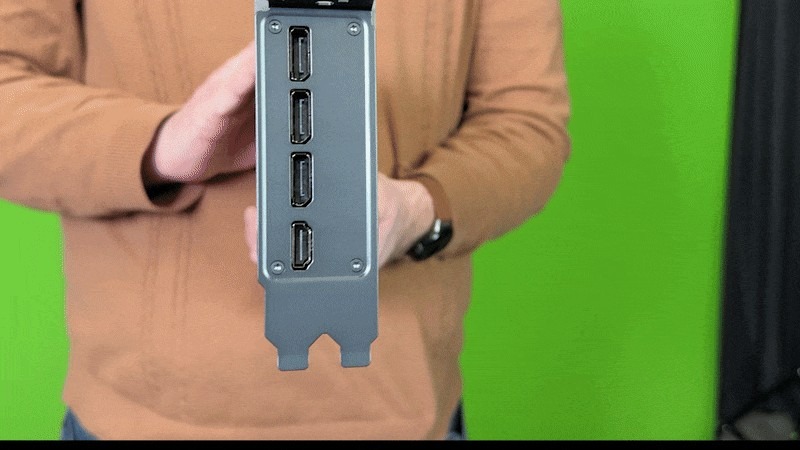
A computer with a working DisplayPort output and a monitor with a matching input can still use that connection. Conversely, an unfamiliar USB-C port needs documented video support before it can replace the existing cable. The article's observations about typical graphics-card sockets do not establish a universal port layout. Its comparison of interface bandwidths also does not determine the real capabilities of a particular adapter or display. Use the opinion piece to consider cable organization, then make the actual connection decision from the documented functions of the computer, screen, and cable in use.
Recognize the narrower claim behind the provocative headline
The TechRadar writer argues against retaining the dedicated physical DisplayPort connector, while explicitly allowing the DisplayPort protocol to continue through suitable USB-C or Thunderbolt arrangements. That distinction changes how the article should be read. It is a proposal about simplifying external connections, not a report that existing DisplayPort equipment has stopped working or become unsupported overnight.
The article’s sustainability argument concerns cable clutter, connector duplication and a hoped-for future with fewer physical standards. Those are editorial priorities rather than measured compatibility results for a particular desk. Consider them as a design discussion, while keeping any immediate buying decision tied to the actual computer and monitor that need to communicate today.

Do not infer equivalent functions from a shared plug
A USB-C connector can be part of a video-capable arrangement, but the source’s proposed consolidation does not establish that every existing USB-C socket has the necessary function. Check the host, cable and display documentation together before replacing a working connection. A physically neat cable solution is useful only if it carries the required signal and supports the desired display behavior.
Likewise, the article’s comparison of interface bandwidth ceilings is not a test of every graphics card or monitor implementation. New specification capabilities can exceed what installed hardware provides. A monitor with a suitable DisplayPort input and a computer with a matching output may still have a straightforward, effective connection without any adapter or new purchase.
Use the opinion to improve planning rather than force replacement
Inventory the devices and cables already needed, then look for opportunities to reduce unnecessary conversion stages when future equipment is replaced. Preserve the difference between a current compatibility requirement and a preference for eventual connector uniformity. The writer’s forecast can help frame questions about product design, but it cannot answer whether a specific port supports the intended resolution and refresh rate. By retaining working connections and checking future purchases carefully, readers can pursue simpler cabling without treating an opinion headline as a technical instruction to discard useful equipment or to assume that every USB-C cable is interchangeable.
References
- Listen up, PC gamers: it’s time for DisplayPort cables to die, sorry not sorry. TechRadar; Christian Guyton.
A TechRadar opinion article questions the continuing need for a dedicated physical DisplayPort connector as HDMI and USB-C connections advance. The writer explicitly distinguishes the DisplayPort video protocol from its familiar full-size plug. DisplayPort video can also travel through compatible USB-C and Thunderbolt arrangements, so fewer connector types would not necessarily mean abandoning the protocol.


Leave a Comment
Comments (0)